
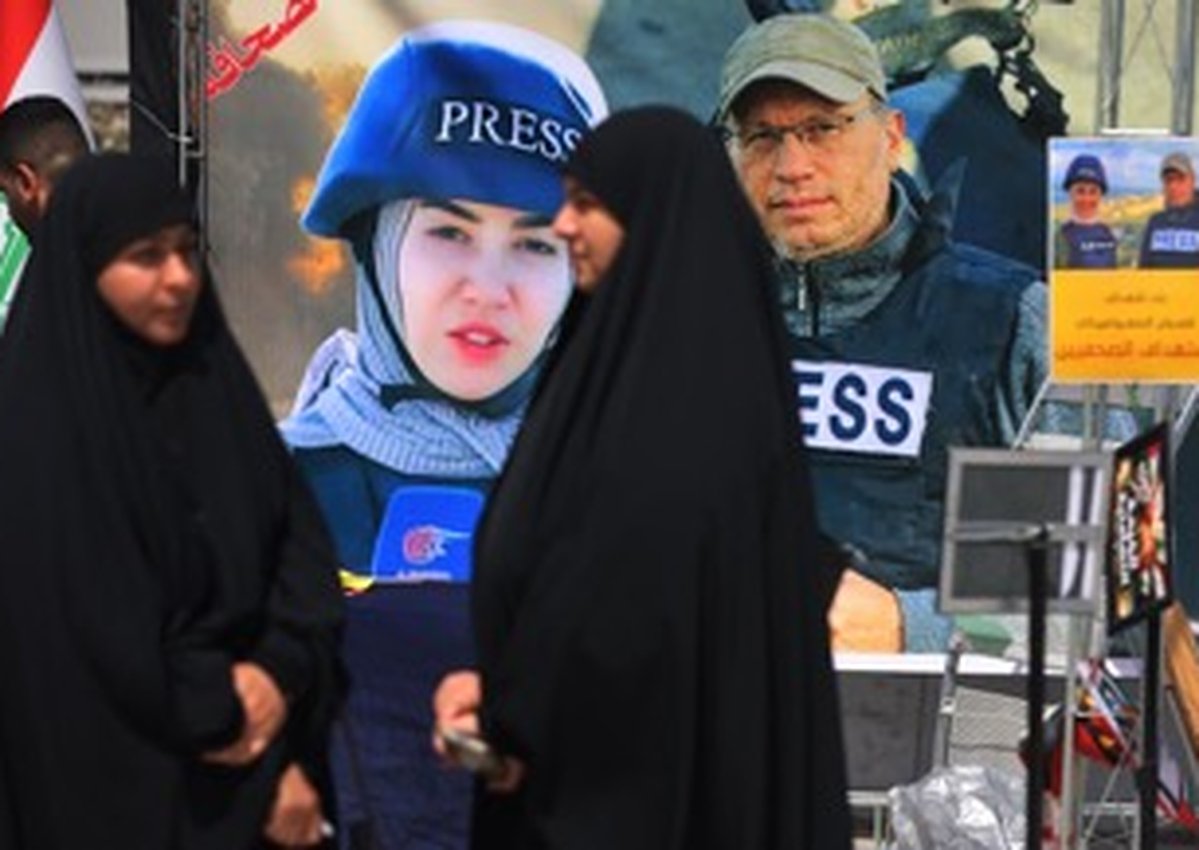
We live in challenging times. In country after country, authoritarian leaders are gaining ground. Democracy is being pushed back and freedom of expression can no longer be taken for granted in many places. The erosion often begins with restrictions on media freedom.
A few weeks ago, the V-Dem Institute at the University of Gothenburg presented its annual report mapping the state of democracy worldwide. It has not looked this bad since 1978. In just one year, freedom of expression declined in 44 countries.
Researchers in Gothenburg and their colleagues around the world are clear: the clock is being turned back at an alarming pace, even in Europe. Seven countries in the European Union are undergoing autocratisation. Gradually, we are witnessing the normalisation of changes that would once have been unthinkable.
I have worked as a journalist in Sweden for four decades and spent much of that time within the European Broadcasting Union. Never before have I felt such deep concern. I regularly meet colleagues from across Europe and hear their accounts: politicians seeking to interfere in editorial work, publicly mocking journalists, threatening to withdraw funding unless coverage aligns with their preferred narrative. I hear of new regulations designed to make it easier to remove media executives who refuse to fall in line.
Attacks on the media are a central component of the infrastructure of autocratisation. They often come early, as countries begin to drift away from liberal democracy. Media freedom is curtailed through direct attacks, the use of political platforms or by exerting influence over regulatory bodies. Developments in the US deserve particular attention. President Trump’s repeated and aggressive attacks on journalists and media institutions stand out as deeply troubling.
A pluralistic and robust media landscape, where strong public service media coexist with thriving commercial outlets, makes it easier to hold those in power to account. The moment we, as citizens, stop sharing a common understanding of reality, meaningful public conversation becomes difficult. With parallel realities, truth becomes relative and, without trusted sources that citizens can rely on, society becomes more vulnerable in times of crisis.
History is clear: democracy is never guaranteed. One of the most vital safeguards is the presence of free and independent media. We all share a responsibility to defend those who are under attack. This is a struggle that must be fought every single day.
Cilla Benko is director-general of Swedish Radio, vice-president of the European Broadcasting Union and an INSI board member. This article was originally published in the Times.